Winter in the Northeast doesn’t just test your patience—it tests your roof. Months of heavy snow, ice dams, freeze-thaw cycles, and wind-driven rain can quietly do real damage to shingles, flashing, and gutters. The problem? Most of that damage isn’t visible from the ground, and by the time you notice a water stain on your ceiling, a small issue has become an expensive repair.
Spring is the ideal time to inspect your roof and catch problems early—before they turn into leaks, mold, or structural damage. At ProEdge Remodeling, we offer a free, no-obligation roof exam so you can understand exactly what’s going on up there. In this post, we’ll walk you through the five warning signs every homeowner should look for after winter, and what to do if you spot them.
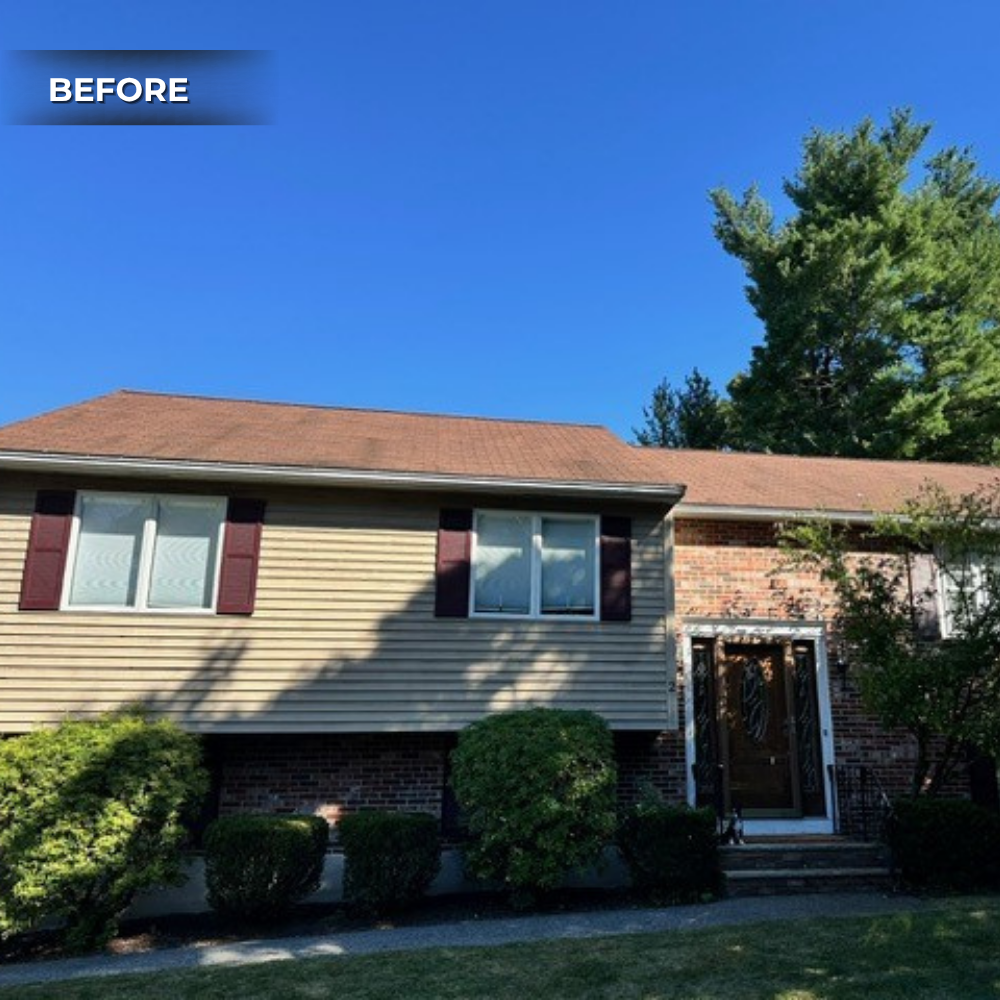
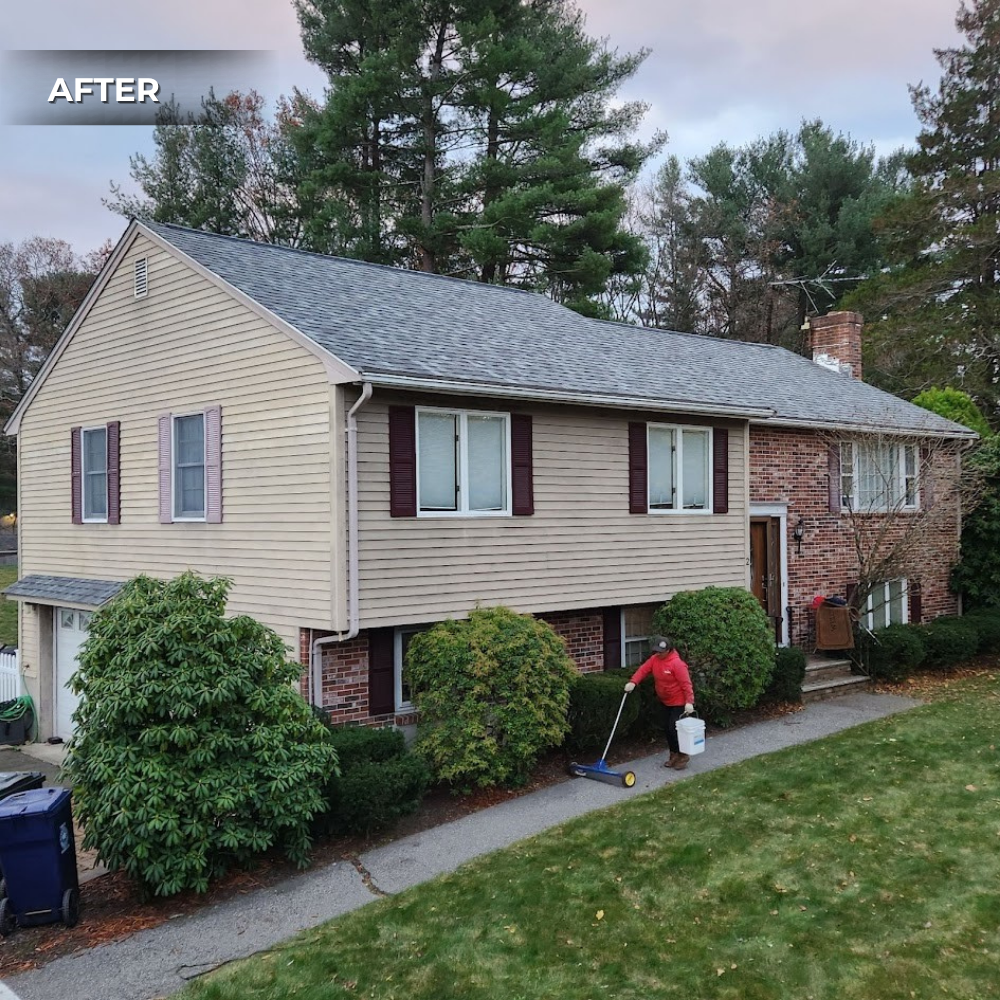
Before & After: An outdated 1975 single-layer roof with bubbling shingles was transformed in just one day by the ProEdge Remodeling team.
1. Damaged, Curling, or Missing Shingles
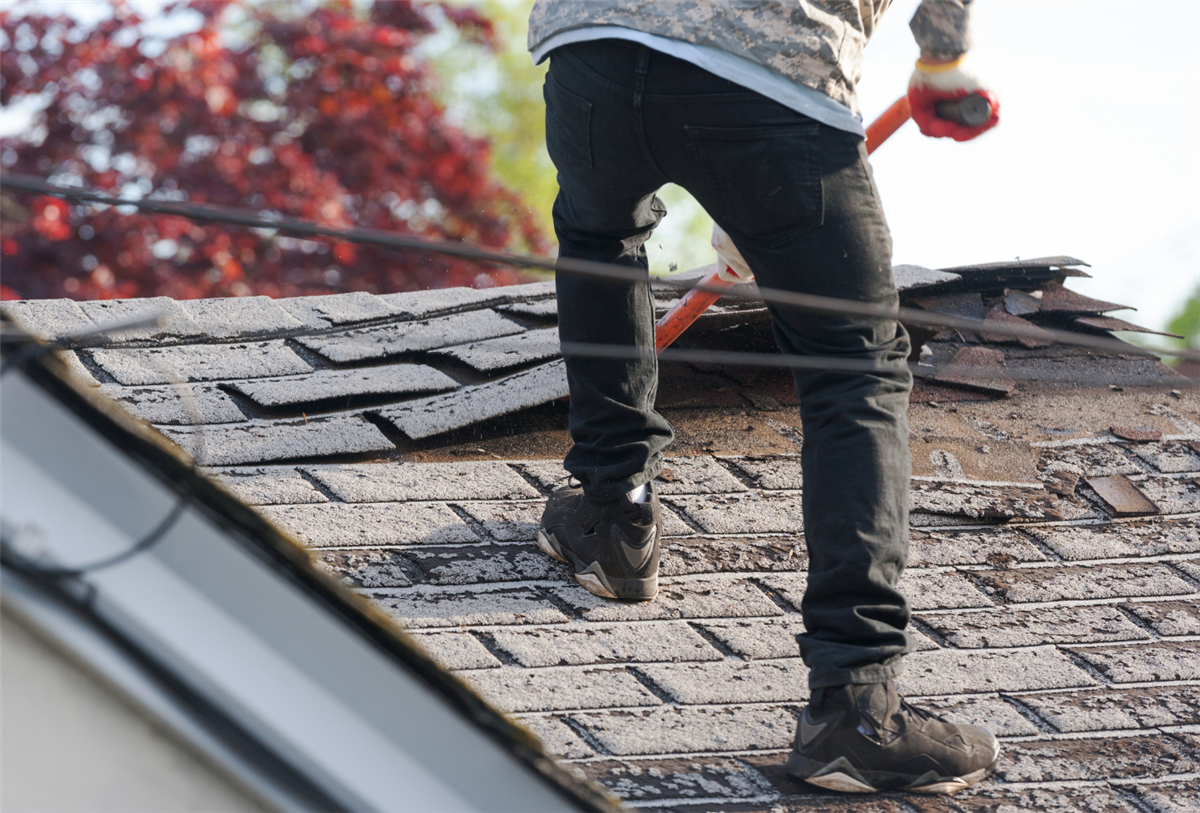
This is the most obvious sign of trouble, and the one most homeowners can spot from the ground if they know what to look for. After a harsh winter, shingles can crack, curl at the edges, or blow off entirely. Even a few missing shingles can expose the underlayment to moisture, and once water gets under the surface, it works its way into the roof deck and eventually into your home.
Walk around the perimeter of your house and look up at the roof from multiple angles. If you see patches of discoloration, shingles that look warped or buckled, or bare spots where shingles used to be, it’s time to schedule a professional inspection. This is especially common on roofs older than 15 years, where the materials have weathered through many seasons of Northeast storms.
2. Granules in Your Gutters
Asphalt shingles are coated with small granules that protect them from UV damage and help shed water. Over time—and especially after a tough winter—these granules loosen and wash into your gutters. If you’re cleaning your gutters this spring and notice a buildup of gritty, sand-like material, that’s a sign your shingles are deteriorating faster than they should.
A small amount of granule loss is normal on a newer roof, but heavy granule accumulation means your shingles are losing their protective layer. Left unchecked, this leads to faster aging, cracking, and eventually leaks. It’s one of the early warning signs that a roof replacement may be on the horizon.
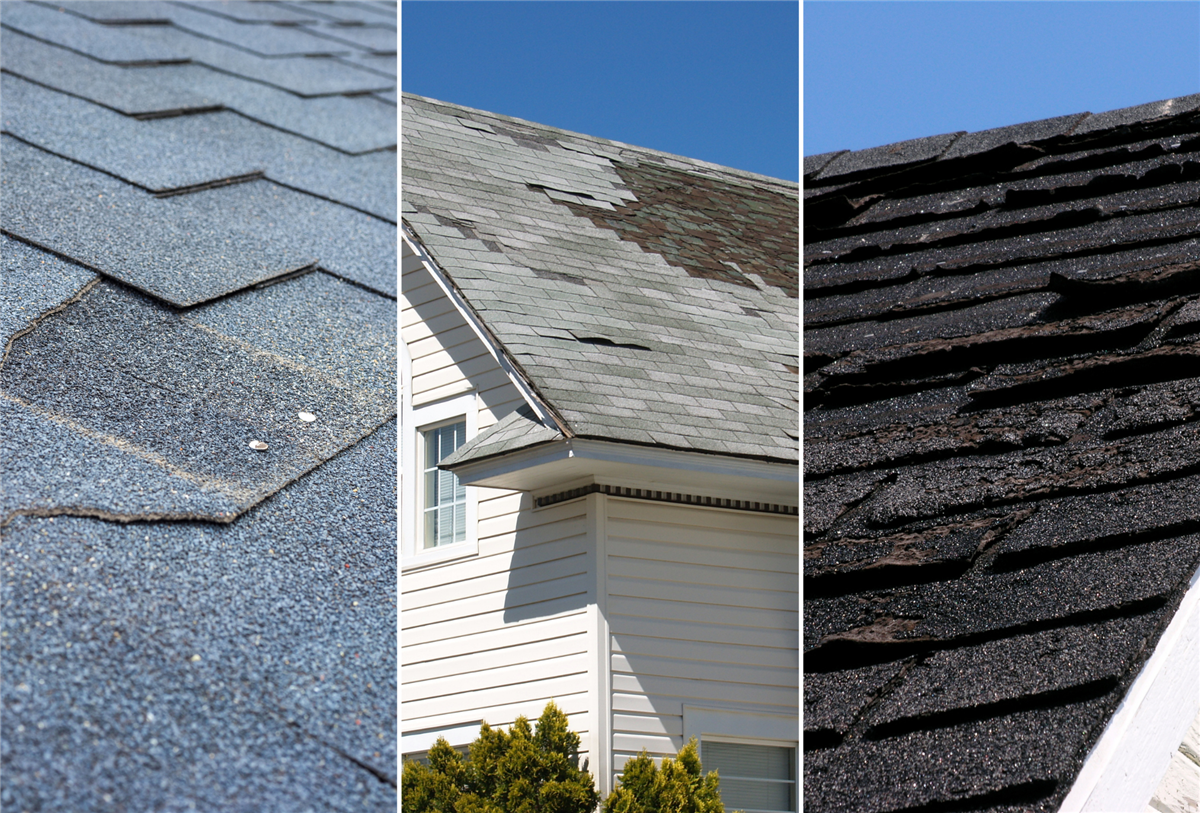
3. Sagging Areas or Visible Dips in the Roofline
Step across the street and look at your roofline. It should be straight and level. If you notice any dipping, sagging, or waviness, that’s a sign of a more serious structural issue—often caused by prolonged moisture exposure or the weight of ice and snow sitting on the roof over winter.
Sagging doesn’t happen overnight. It’s the result of water slowly compromising the roof deck, and it typically means the damage has gone beyond the shingles into the plywood or structural supports underneath. This is not a repair you want to delay. If you see sagging, call a licensed roofing professional right away to assess the situation.
4. Water Stains or Daylight in the Attic
Your attic tells you a lot about your roof’s condition. On a dry day, head up with a flashlight and look for water stains on the underside of the roof deck, damp insulation, or any spots where you can see daylight coming through. Even a small pinpoint of light means there’s a gap in your roofing system that water will eventually find.
Also pay attention to musty smells. If your attic smells damp or moldy, there’s likely moisture getting in somewhere—even if you can’t see the source yet. Catching this early can mean the difference between a targeted repair and a full roof replacement.
5. Damaged Flashing Around Chimneys, Vents, and Skylights
Flashing is the metal material that seals the joints around chimneys, vents, skylights, and other roof penetrations. It’s one of the most vulnerable areas on any roof, and winter weather can cause flashing to crack, lift, or pull away from the surface it’s meant to protect.
If flashing fails, water gets in at the seams—and these leaks can be tricky to trace because water travels along the roof deck before dripping down. During your spring inspection, look for rust, gaps, or lifted edges around any penetrations. Our team replaces flashing with new boot collars and chimney flashing on every roof replacement, which is one reason our roofing systems are built to last.
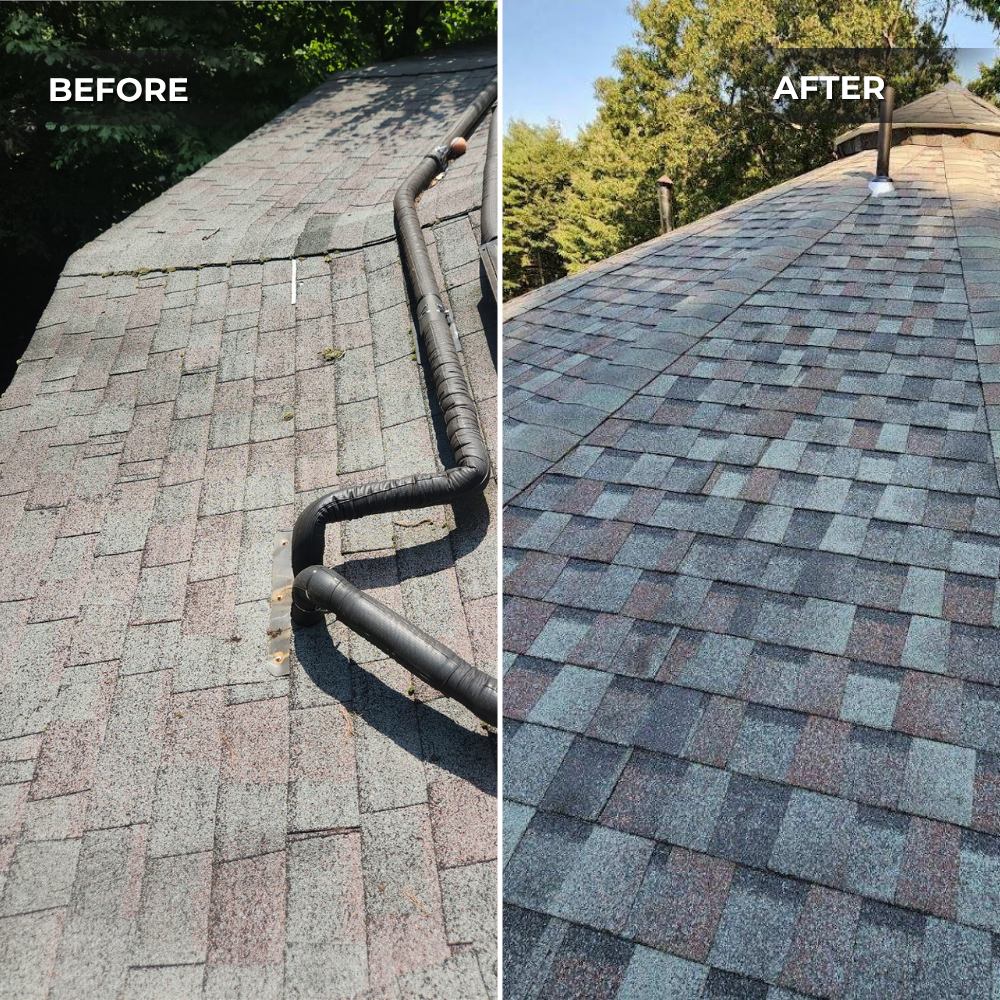
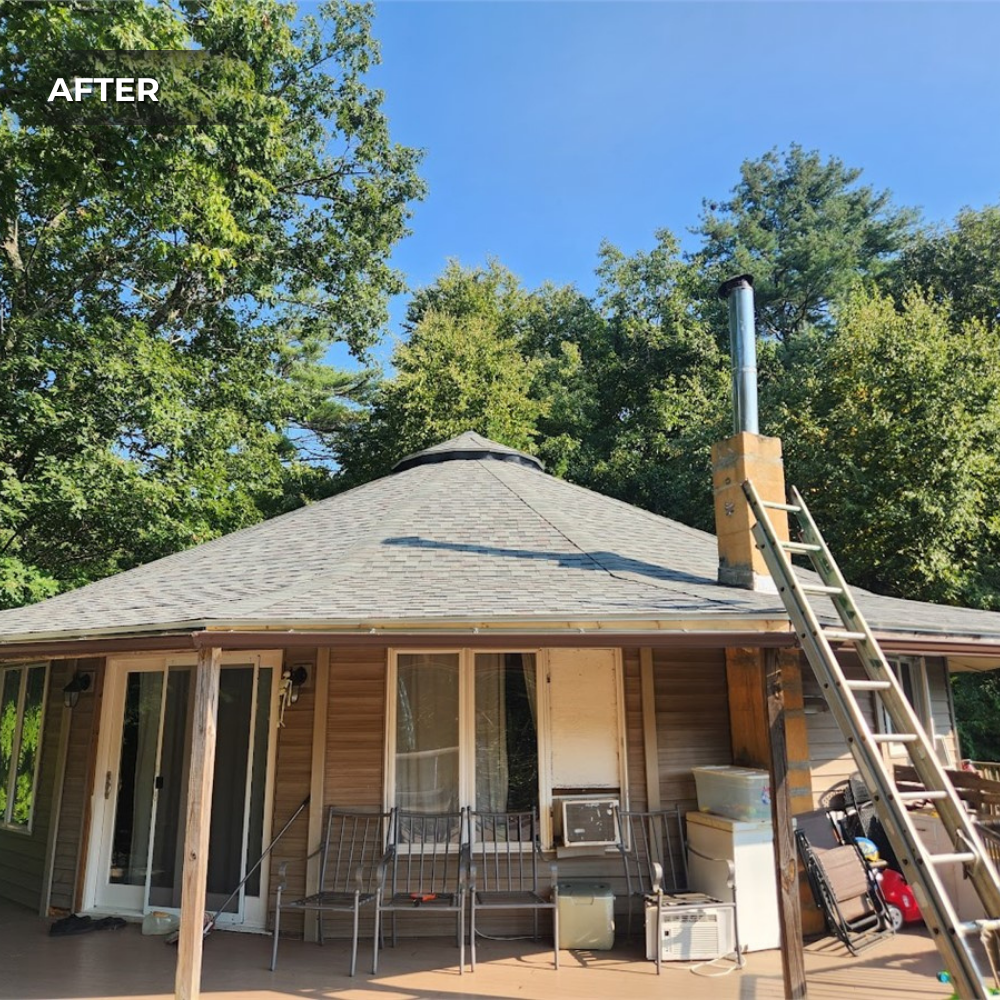
Before & After: A circular, single-layer roof in Leverett, MA was upgraded to an energy-efficient asphalt shingle roofing system by ProEdge Remodeling.
What Happens During a ProEdge Free Roof Exam?
If you’ve noticed any of the signs above—or even if you just want peace of mind after a long winter—our team offers a complete, no-cost roof surface inspection. Here’s what’s included:
- Full surface exam of shingles, flashing, vents, and ridge caps
- Assessment of gutters and drainage
- Evaluation of existing roof layers and underlayment condition
- A clear explanation of what we find—no pressure, no surprises
- If replacement is needed: a custom plan with financing options, including seasonal offers like $1,000 off a full roof replacement
ProEdge Remodeling has been serving homeowners since 1961, and our licensed roofing professionals use materials engineered for the Northeast climate—including Scotchgard-protected shingles with Core4 Enhanced Polymer Technology and wind resistance up to 150 mph. Every installation is backed by an industry-leading lifetime warranty.
What Our Customers Say
“I would highly recommend ProEdge Remodeling to anyone looking to get a new roof. Everyone I have encountered who works for them has been friendly and professional, always there every step of the way to answer any questions and even check in after the work was done. Steven, the sales agent who came to our house to meet with us, was polite, friendly and very thorough. He showed us all of the products and explained everything about the process. The workers who came to do our new roof got it done in record time and cleaned everything up thoroughly. They were also very friendly too! Now we have a beautiful new roof and the best part is it comes with a 50 year guarantee! Definitely check them out if you’re looking for a new roof.”
— Katie P., Verified Google Review ★★★★★
Read more reviews from the ProEdge Remodeling customers
Frequently Asked Questions
How do I know if I need a roof repair or a full replacement?
It depends on the age of your roof and the extent of the damage. If your roof is under 15 years old and the damage is localized—a few missing shingles or a small area of flashing—a repair may be sufficient. If your roof is older, has multiple problem areas, or has underlying deck damage, a full replacement is usually the smarter long-term investment. Our free roof exam will help you understand which option makes sense for your situation.
How do I know if my roof needs replacement in New York or New England's climate?
New York and New England's harsh weather conditions can cause your roof to break down faster due to exposure to wind and weather. Look for warning signs like missing or damaged shingles, leaks, water stains on ceilings, or moss and algae growth. If your roof is over 15 years old, it’s a good idea to schedule a roof inspection—especially after winter storms. You can also schedule a free roof exam with our local ProEdge experts and receive an estimate the same day.
How long does a roof replacement take?
Most residential roof replacements are completed in one to two days, depending on the size and complexity of the roof. Our team handles everything from removal of the existing roof to installation of the new system, including cleanup. A typical roof replacement by ProEdge Remodeling can be done in as little as one day, depending on the size of your home and the complexity of the project. As Katie mentioned in her review, our crews work efficiently and leave the property clean when the job is done.
What does a roof replacement cost in New York and New England?
Roofing costs vary based on factors such as size, pitch, materials, and the number of existing layers to be removed. During a free in-home consultation, our specialists will create a custom plan tailored to your budget.
We also offer a variety of financing solutions and special seasonal discounts to help with your project. When you schedule a free consultation with our ProEdge experts, you'll receive a same-day estimate that includes the payment option that's right for you.
Subscribe to ProEdge Remodeling's Blog