Most homeowners don't think about their windows until something goes wrong — a broken seal, a draft they can't locate, a utility bill that doesn't make sense.
But there's a subtler problem that rarely gets named: a home that simply doesn't feel the way it should. Rooms that stay dim on bright days. A living space that feels heavy and disconnected from the season outside. Light that reaches the window but never quite reaches you.
It's easy to work around it — move a lamp, pull the curtains back further, assume it's the layout or the paint color. But the research tells a different story. And for homeowners planning any kind of upgrade this year, understanding that story changes how you think about your windows entirely.
The Science of Light and Human Wellbeing
According to the U.S. Environmental Protection Agency, Americans spend approximately 87% of their time inside buildings — and another 6% inside enclosed vehicles. That means the overwhelming majority of daily life happens indoors, in spaces where the quality and quantity of natural light is determined almost entirely by the windows in the room.
(Source: U.S. EPA, National Human Activity Pattern Survey)
This matters more than most people realize. Human biology is calibrated to natural light cycles — daylight signals alertness, regulates hormones, and anchors the circadian rhythm that controls sleep and mood. When indoor environments fail to deliver adequate natural light, the effects are measurable and well-documented.
Natural light and mood:
A 2025 study published in the Journal of Psychopathology and Clinical Science found that natural daylight exposure is a meaningful contributor to positive mood — independent of physical activity levels. The conclusion: the quality of light in a space directly affects how people feel in that space, regardless of other lifestyle factors.
(Source: Shankman et al., Journal of Psychopathology and Clinical Science, 2025 — covered by Nature Reviews Psychology)
Natural light and mental health:
A large-scale British study tracking over 500,000 adults found that each additional hour of natural light exposure per day was associated with a measurable reduction in the long-term risk of depression — and lower rates of antidepressant use.
(Source: Journal of Affective Disorders, via UCLA Health)
Natural light and residential design:
A peer-reviewed study in Building and Environment (ScienceDirect) found that maximizing the amount of natural light entering a home has a larger positive impact on residents' emotional wellbeing than almost any other residential design factor. The study specifically identified larger, properly oriented windows as a primary driver of how satisfied residents feel inside their homes.
(Source: "Enlightening wellbeing in the home," Building and Environment, ScienceDirect)
Natural light and sleep quality:
Daytime sunlight exposure regulates the circadian rhythm — the internal clock that governs alertness, energy levels, and sleep depth. A 2026 study published in JMIR mHealth and uHealth confirmed that higher daytime sunlight exposure is directly linked to improved sleep architecture, including more time in restorative sleep stages.
(Source: JMIR mHealth and uHealth, June 2026)
The research across all of these areas points to the same conclusion: natural light is not a design preference — it is a health variable. And your windows are the primary factor controlling how much of it your home receives.
How Older Windows Reduce Natural Light
Homes built before the 1990s — which make up a significant portion of the housing stock across the Northeast, Mid-Atlantic, and many older urban markets — were designed with window technology that is now significantly outdated.
Common issues in older windows include:
Fogged or yellowed glass. When the seal between double-pane units fails, moisture enters the space between panes. This creates the hazy, yellowed appearance that reduces light transmission and clarity — often so gradually that homeowners adjust without noticing.
Small frame-to-glass ratios. Older window designs used thicker frames and smaller glass areas. Modern window engineering delivers significantly more glass surface within the same rough opening — meaning more light without structural changes to the home.
Degraded coatings. Window coatings that were standard in the 1970s and 1980s — some designed to reduce solar heat gain — can significantly reduce visible light transmission as they age, tinting the glass and darkening interior spaces.
Poor orientation and sizing. Many older homes were designed around heating and energy concerns of a different era, with windows sized and positioned for insulation rather than light quality. The result is rooms that receive less light than their square footage and orientation would otherwise allow.
The practical impact is cumulative: a home with 30-year-old windows may be receiving significantly less natural light than the same home with modern replacements — affecting mood, energy levels, and sleep quality for everyone living in it, without any obvious single cause.
What Homeowners Experience After Window Replacement
The research on natural light and wellbeing is consistent with what homeowners report after installing new windows. The difference is rarely described as dramatic — it is described as fundamental.
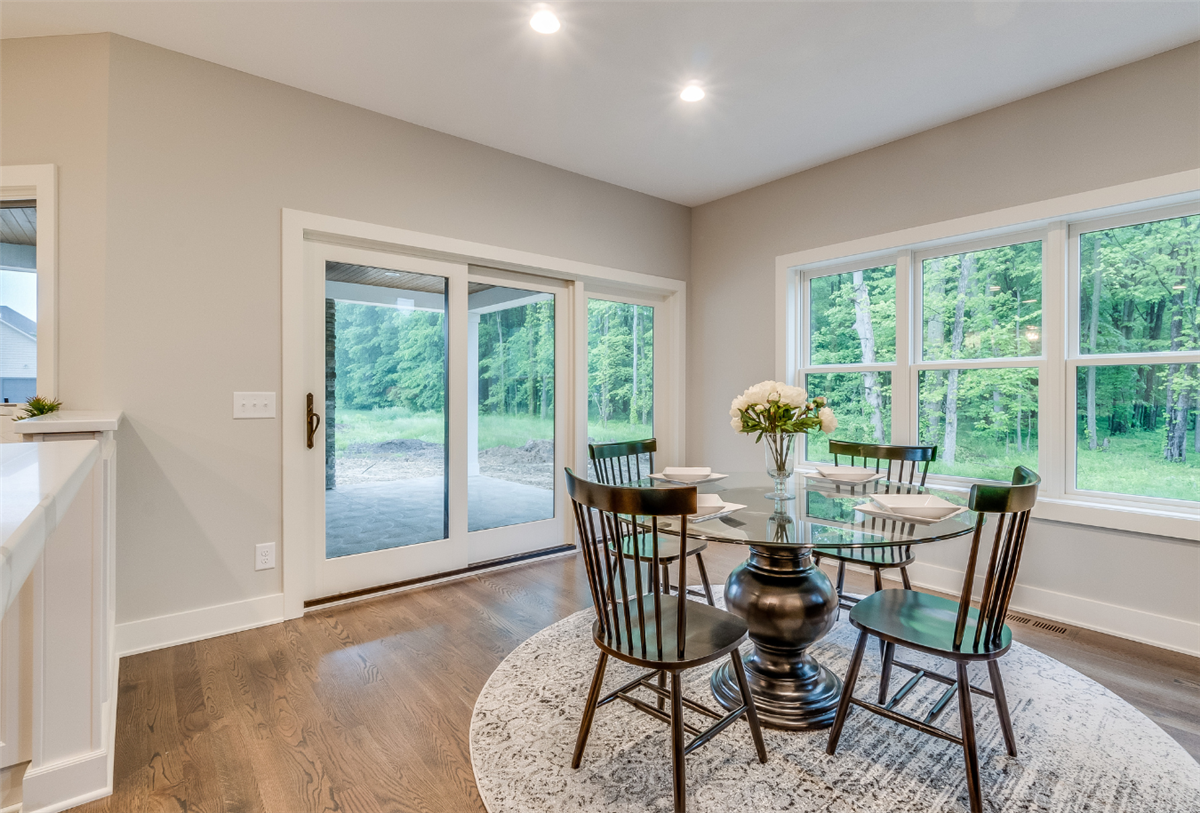
"Yesterday I finally had my new windows installed and within 30 minutes all those cold years were over. I was even able to reduce the temperature from 73 degrees to 68 degrees. I love the attention to detail that are built into the construct of the windows." — Nicole Berglas, Google Review ⭐⭐⭐⭐⭐
"My windows are not off the shelf — they were custom to the 1850 mill building/Condo complex. All windows work great, no drafts, look great. Installation was detailed, the men listened to my concerns when I saw them and corrected them." — Tony Fernandes, Google Review ⭐⭐⭐⭐⭐
Both cases reflect the same pattern: a home that was underperforming in ways that had become normalized — and a measurable improvement once the windows were addressed.
Evaluating Your Home's Natural Light
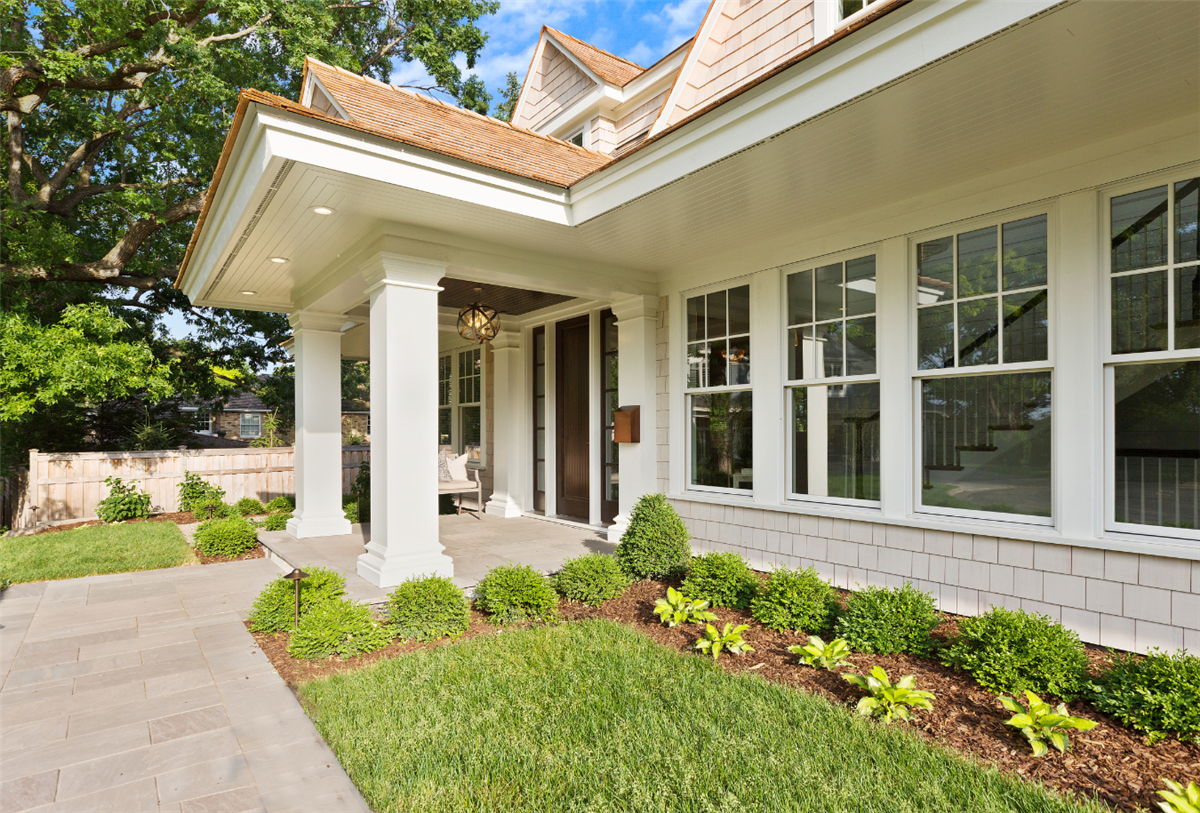
Before making any decisions about window replacement, it is worth conducting a straightforward assessment of how your current windows are performing.
Signs that your windows may be reducing natural light:
- Interior rooms feel dim even on bright days
- Glass appears hazy, yellowed, or fogged between panes
- Rooms feel warmer or stuffier than expected in summer
- You find yourself relying on artificial lighting during daylight hours
- Frames are visibly deteriorated, warped, or difficult to operate
Questions worth asking:
- When were your current windows installed?
- Has the glass clarity changed noticeably over the years?
- Do your windows open fully and seal properly when closed?
- Are there rooms in the house that consistently feel less comfortable than others?
If your windows are more than 20 years old and show any of the above signs, a professional assessment will give you a clear picture of what replacement would deliver — both in terms of light quality and energy performance.
About ProEdge
ProEdge has been serving homeowners since 1961, with replacement windows manufactured at our own facility in Rhode Island. Because we control our own manufacturing, we can produce custom window sizes for homes where standard dimensions don't apply — including older construction, historic buildings, and unique architectural configurations.
We serve homeowners across Connecticut, Massachusetts, Rhode Island, New Hampshire, New York, Maryland, Virginia and Washington DC.
Free in-home consultations are available. Our specialists will assess your current windows, show you what modern replacement would look like in your specific home, and give you clear, transparent pricing — with no obligation.
Subscribe to ProEdge Remodeling's Blog